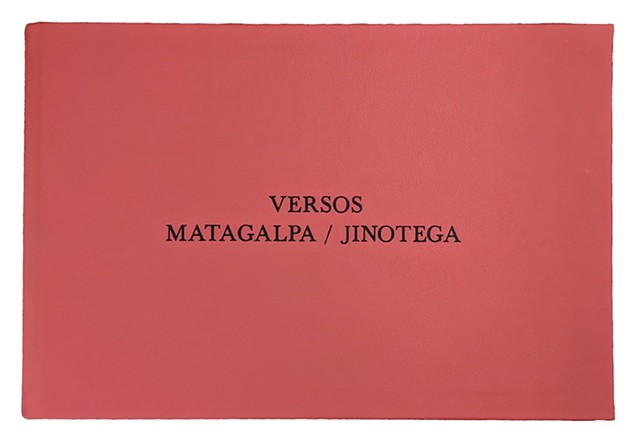
Versos: Matagalpa / Jinotega
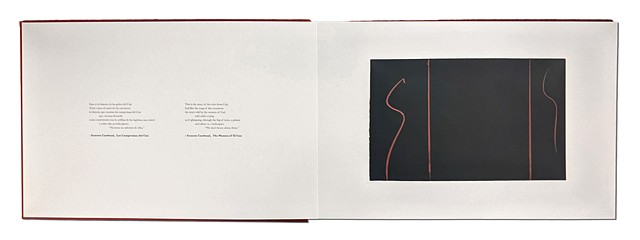
Esta es la historia de los gritos del Cuá
Triste como el canto de las cocorocas
la historia que cuentan las campesinas del Cuá
que cuentan llorando
como entreviendo tras la neblina de las lagrimas una cárcel
y sobre ella un helicóptero.
“Nosotras no sabemos de ellos.”
- Ernesto Cardenal, Las Campesinas del Cuá
This is the story of the cries from Cuá
Sad like the song of the cocorocas
the story told by the women of Cuá
told while crying
as if glimpsing, through the fog of tears, a prison
and above it, a helicopter.
“We don’t know about them.”
- Ernesto Cardenal, The Women of El Cua
VERSO(S)
MATAGALPA / JINOTEGA
Verso is the reverse of something, a coin, a painting, a photograph.
Verso, in Spanish, is a conjunction of words that make up a poem.
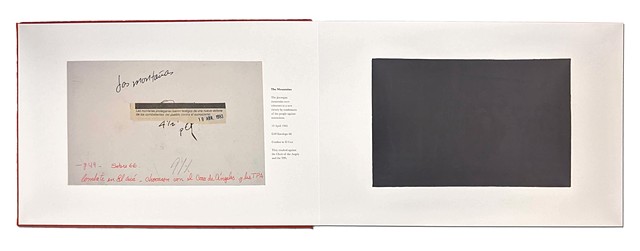
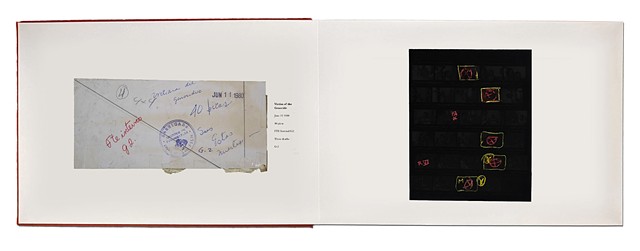
Verso(s) is a print media exploration on the ethics of representation and the perils of nostalgia using photographs from the 1979 Nicaraguan revolution and 1980s civil war. This book presents the fronts and versos of archival war photographic prints found in the Instituto de História de Nicaragua y Centroamérica (IHNCA) in the Universidad Centroamericana (UCA) in Managua, Nicaragua. The versos describe the horrific contents of the fronts, which have been obfuscated, censored, by an opaque black layer. This obfuscation of the images offers a critique on the nature of visual representations of war. Can one use photography to bring light to the horrors of war without becoming a voyeur to the pain of its victims?
~
The focus of this book is on events that took place in the north of Nicaragua, in the departments of Matagalpa and Jinotega, where the fiercest fighting of the wars took place. Matagalpa is my hometown, Jinotega my mother’s. Multiple members of my mother’s family were assassinated during the massacre at El Cuá during the dictatorship of Anastasio Somoza.
Esmeralda, my aunt, was one of The Women of El Cuá.
~
Eddy A. López, October 2024
In remembrance of the victims of state violence in Nicaragua.